Spotted (and snagged) in Barnes & Noble last week was the relatively new release
The Mythology of Grimm. (Actually, for the first time in a VERY long time, the fairy tale and folklore section was both full
and had a good selection of newer books I hadn't seen in the wild before.)
The book is not authorized/endorsed by anyone affiliated with the NBC TV series Grimm but is written by someone who has published several works with regard to mythology and pop culture.
The book is much more than a fan discussion of the TV show elements. It begins with a condensed but clear historical overview of popular fairy tales collectors and their work. As you would expect, the Grimm brothers and their work on Household Tales feature prominently, but also Perrault, Joseph Jacobs and the Aarne-Thompson-Uther tale classification system and other well known names (to readersanyway) are mentioned as well.
It then heads into a discussion of the weaponry used in Grimm, which is what you'd expect from a fan-aimed book but in the show a weapon is usually creature/Wesen-specific and directly related to the mythology surrounding the creature or tale the overall story is drawing from. in this way, it's a good overview of the types of challenges and creatures within the stories.
The rest of the book goes into (essentially) tale types used and retells the Grimm version of the most popular incarnations. For example,
Little Red Cap is retold with a brief introduction to the tale's context/history but with commentary and a good sense of humor).
Here are the chapter titles discussing the tales (I'll put an explanation next to the title in brackets, in case you're not familiar with the show and the titles reference isn't obvious):
- Red Hoodies and Cross-dressing Blutbaden
- Bears, Blondes, and Butchery
- Dancing to the Piper's Tune
- Ultimate Showdown - Blutbaden vs. Bauerschwein (Three Little Pigs)
- Sexy Goats and Eager Beavers (The god Pan and Bluebeard)
- Wild Chicks with Long Hair (Wild children & Rapunzel)
- Giants, Ogres, and Giant Ogres
- Bread Crumbs and People Eaters
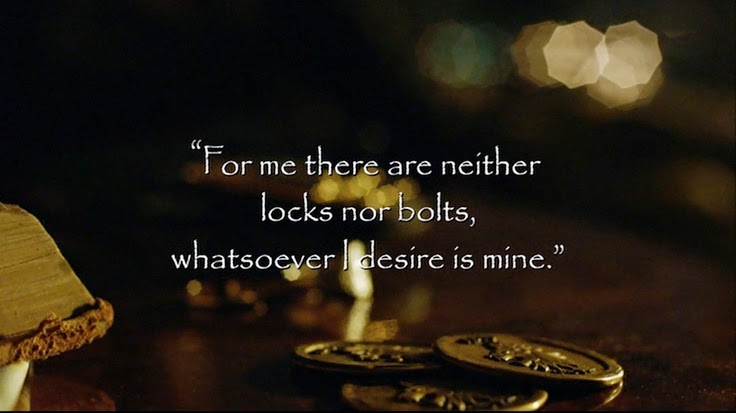
- Coins of Blessing, Coins of Curse
- And Now... Dragons! Or Dåmonfeuers (The Four Skillful Brothers)
- Cabbages andCookies, Donkeys and Love Spells (Donkey Cabbages)
- Chicks in Comas
- Weird Little Guys with Funny Names
- Foxy Fuchsbau (The Fox and the Cat)
- Wesen of the NewWorld (multiple legends/folktales/lore)
- Greco-Roman Wesen (Greek myths - Minotaur & The Slave and the Lion & Pompeii
After the retellings, the author discusses how each tale was referenced in the TV show with well considered research details that won't overwhelm a non-academic. I think he's done a good job at drawing people into the tales this way.
But it doesn't stop there. The chapter on Red Hoodies and Cross-Dressing Blutbaden, looks at legends that echo the motifs, violent crimes and mental illnesses that could be seen to be related to the tale and much more. Each chapter discusses real world related scenarios, personalities, legends and more, giving the idea that perhaps these tales aren't quite as fanciful as they first appear.
Each chapter also has "sidebars" (though they're often at the top of bottom of the page) of related trivia (titled Tasty Morsels) and definitions of less-common words (eg "nosegay"), a breakdown of what a German word used in the show means and more (these are titled Grimm Words). I'm a big fan of side bars and these aren't just for show. They definitely are designed to intrigue and keep the reader going back to the text (in other words, they do their job well).
I haven't read much of the book yet but it's only due to time. For me this will be a quick read (if I can get more than ten minutes in a row to concentrate!) and while readers looking for a light read will go more slowly, it should still easily keep their interest throughout. The reviews I've seen are in the very good to excellent range, which is great to see, especially as all the reviews I've read are by people who don't really read fairy tales or even had any idea there was a whole field of fairy tale scholarship.
So far, I'm impressed with the book (especially since I expected it to be more along the lines of fan writing and not really be "scholar-light") and am really glad to see it sitting with other pop culture studies such as those of
Supernatural and
True Blood. These shows have all inspired people to study myth, folklore and fairy tale in depth and I couldn't be happier to see that happening.
My one complaint is that the books focuses on the first season of Grimm and the show has referenced many, many lesser known tales since (and some popular ones too, but it's the lesser ones that are fascinating to me). But I wouldn't want it to be any bigger. It's already a little hefty and any larger would be daunting so instead of really complaining I'll just request that a second book is written and released so all the tales and folklore and legends are covered/revealed to the fans (and spawns more folklorists!).
Note: For easy reference two glossaries are included at the end: "Wesenology" and
Grimm Terminology.

Here's the blurb:
NBC’s hit television series Grimm pits modern detective Nick Burkhardt of the Portland Police against a cast of terrifying villains—lifted directly from the pages of classic fairytales. In the world of the show, the classic stories are actually a document of real events, and Nick himself is descended from a long line of guardians, or Grimms, charged with defending humanity from the mythological creatures of the world. From The Big Bad Wolf to Sleeping Beauty, The Mythology of Grimm explores the history and folkloric traditions that come into play during Nick’s incredible battles and investigations—tapping into elements of mythology that have captured our imaginations for centuries.

 This is a huge achievement, especially for a fairy tale based (and to some extent driven) series that's in it's fourth season. The competition is pretty serious so it's great to see something that's bringing myth, legend and fairy tales into people's homes each week to be recognized.